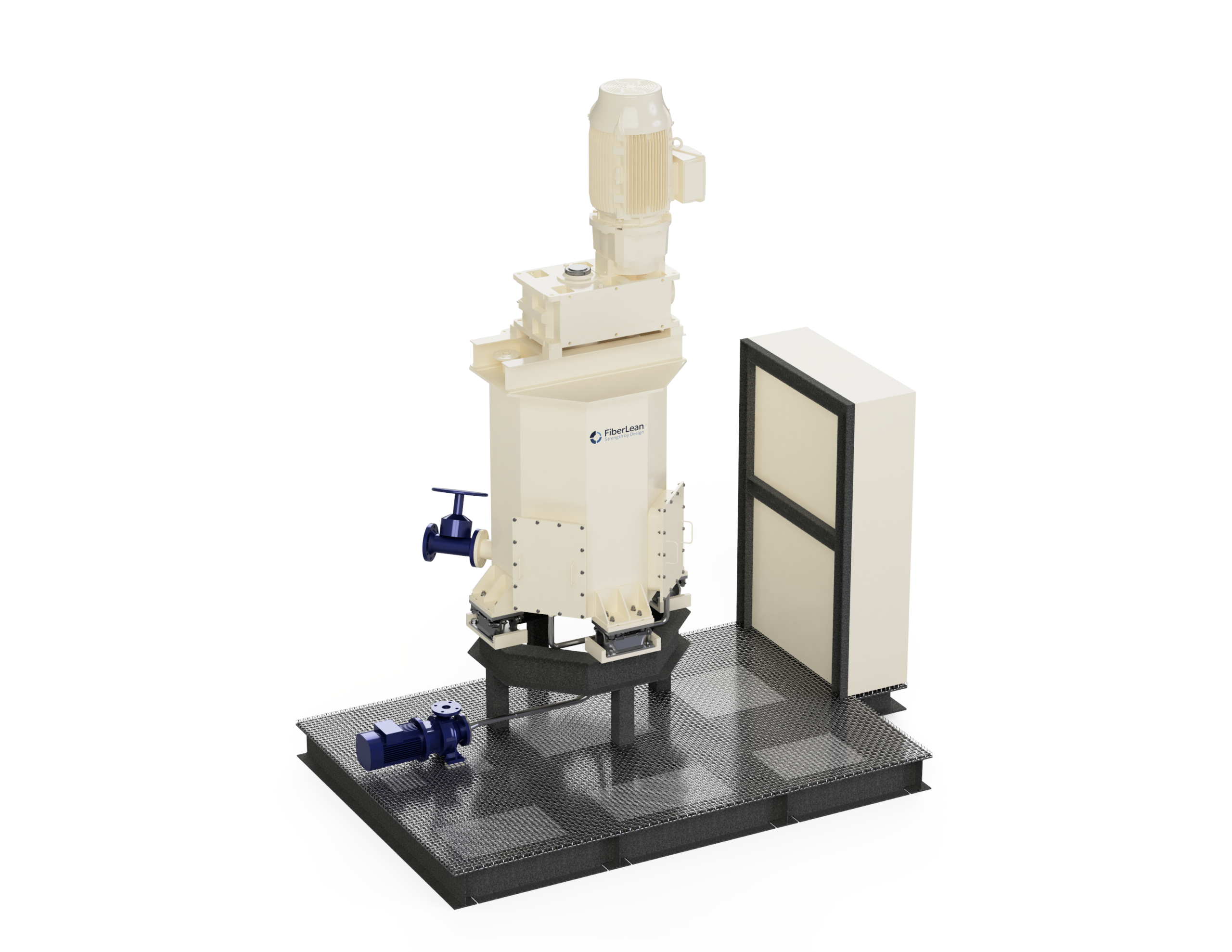
FiberLean G125 MFC Grinder for Industrial Scale Microfibrillated Cellulose Production

MFC Grinder Case Study: MFC in Moulded Fiber Furnish

Improved Strength, Lightweighting and Surface Performance

Background

  • MFC added directly into the moulded fiber furnish
  • Evaluation focused on lightweighting, strength development, porosity reduction and formation improvement
  • MFC produced using FiberLean G125 grinding technology

Trial Objectives

  • Reduce moulded fiber product weight while maintaining performance
  • Improve tensile strength and stiffness
  • Reduce porosity to improve barrier coating compatibility
  • Improve internal bond strength and formation quality

Trial Outcomes

  • Up to ~30% lightweighting achieved with 5–10% MFC addition while maintaining properties and cycle time
  • Greater than 90% porosity reduction achieved with 5–10% MFC addition
  • Tensile strength and tensile stiffness improved by over 30%
  • Internal bond strength significantly improved
  • Improved sealing strength for moulded fiber containers
  • Improved furnish stability and product formation observed

Business Impact

  • Reduced fiber usage through lightweighting
  • Improved packaging strength and performance
  • Enhanced compatibility with barrier coating systems
  • Improved forming consistency and product quality
  • Supports development of higher-performance fiber packaging alternatives

Key Takeaway

Adding MFC directly into the furnish enables significant lightweighting, strength improvement and porosity reduction in moulded fiber products.

MFC production equipment recommendation: G125 Grinder
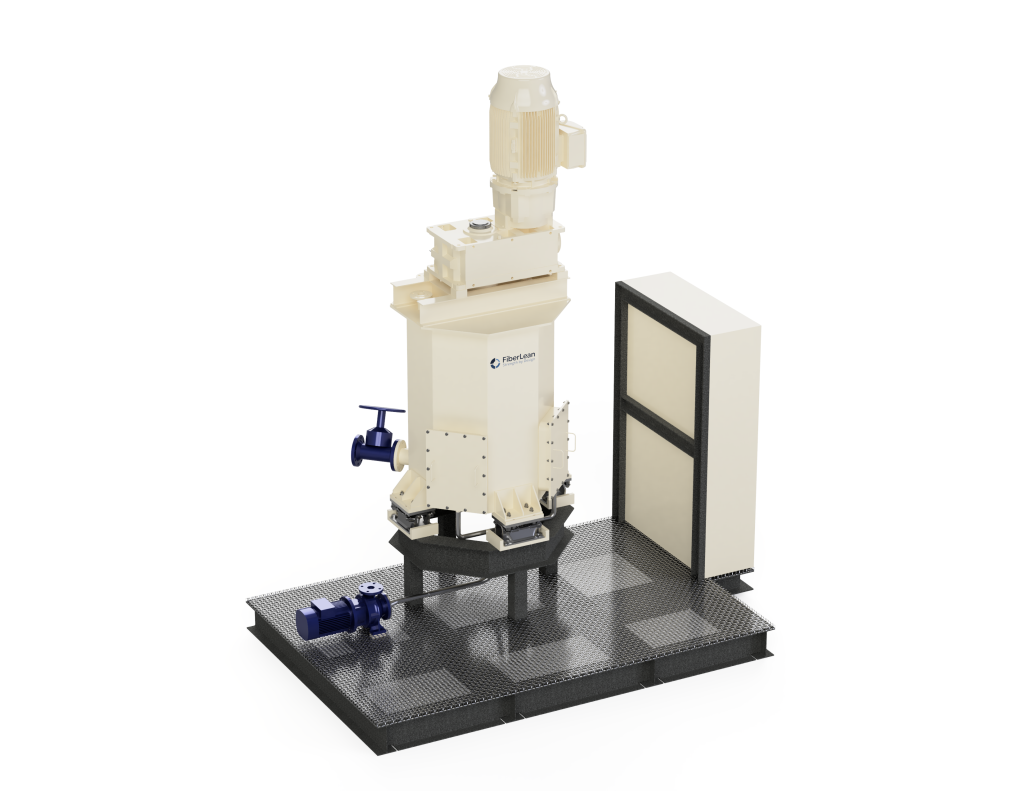
  • Grinder footprint: 1.1 x 1.1 m
  • Throughput: 12 dry kg MFC/h
  • Suitable for all chemical and most recycled pulps
  • Food contact regulatory clearance