MFC Grinder Case Study: MFC in Moulded Fibre Furnish
Improved Strength, Lightweighting and Surface Performance
Background
- MFC added directly into the moulded fibre furnish
- Evaluation focused on lightweighting, strength development, porosity reduction and formation improvement
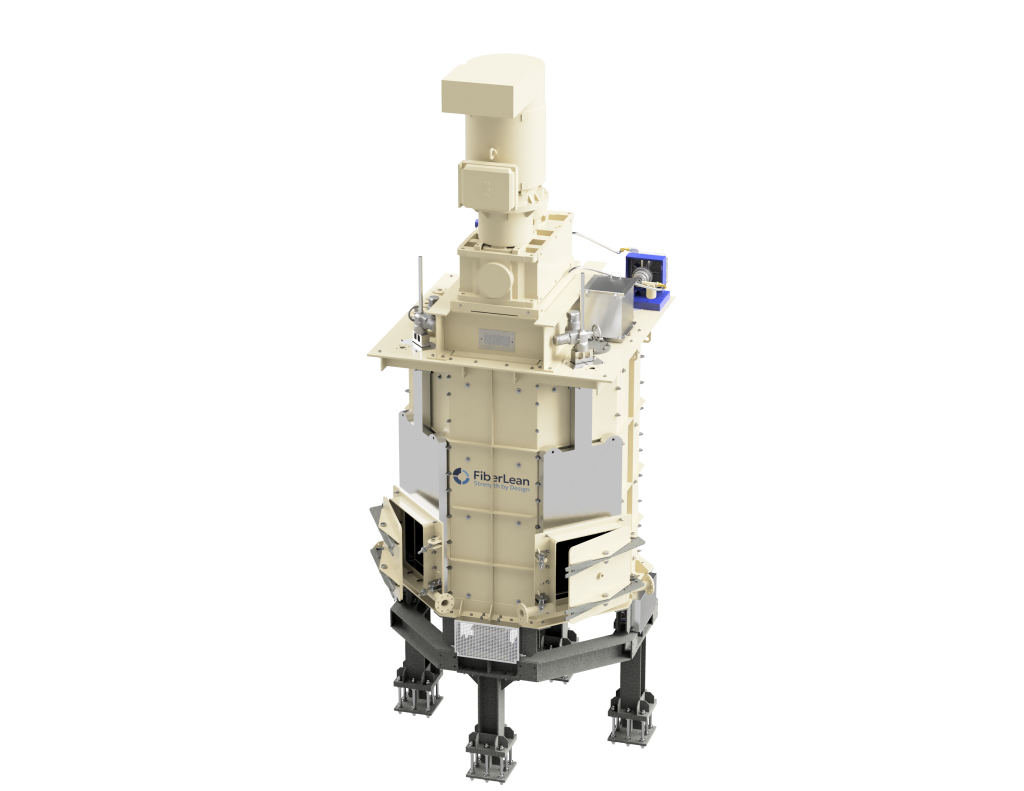
- MFC produced using FiberLean G125 grinding technology
Trial Objectives
Trial Results
[Image]
Trial Outcomes
Business Impact
- Reduced fibre usage through lightweighting
- Improved packaging strength and performance
- Enhanced compatibility with barrier coating systems
- Improved forming consistency and product quality
- Supports development of higher-performance fibre packaging alternatives
Key Takeaway
Adding MFC directly into the furnish enables significant lightweighting, strength improvement and porosity reduction in moulded fibre products.
MFC production equipment recommendation: G125 Grinder