MFC Production Isn’t as Complicated as You Think.
Here’s What It Actually Involves.
The complexity concern around MFC production is, in many ways, the most human of the misconceptions we encounter about MFC. Mills are precision environments. Adding a new process step carries real risk – of disruption, inconsistency, and unexpected interaction with existing systems.
The concern deserves a direct answer rather than reassurance. So here is what in-house MFC production with a FiberLean grinder actually involves.
What does in-house MFC production involve?
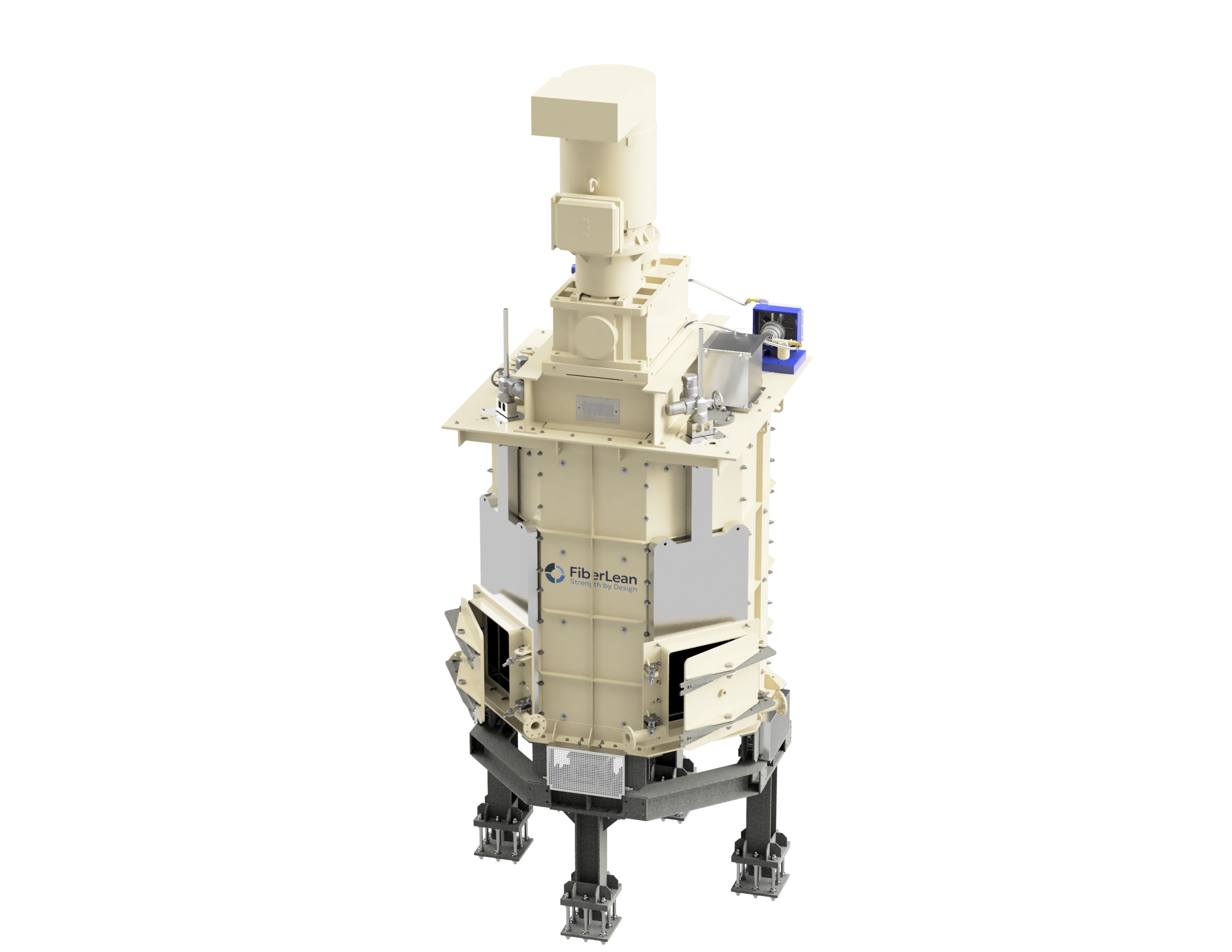
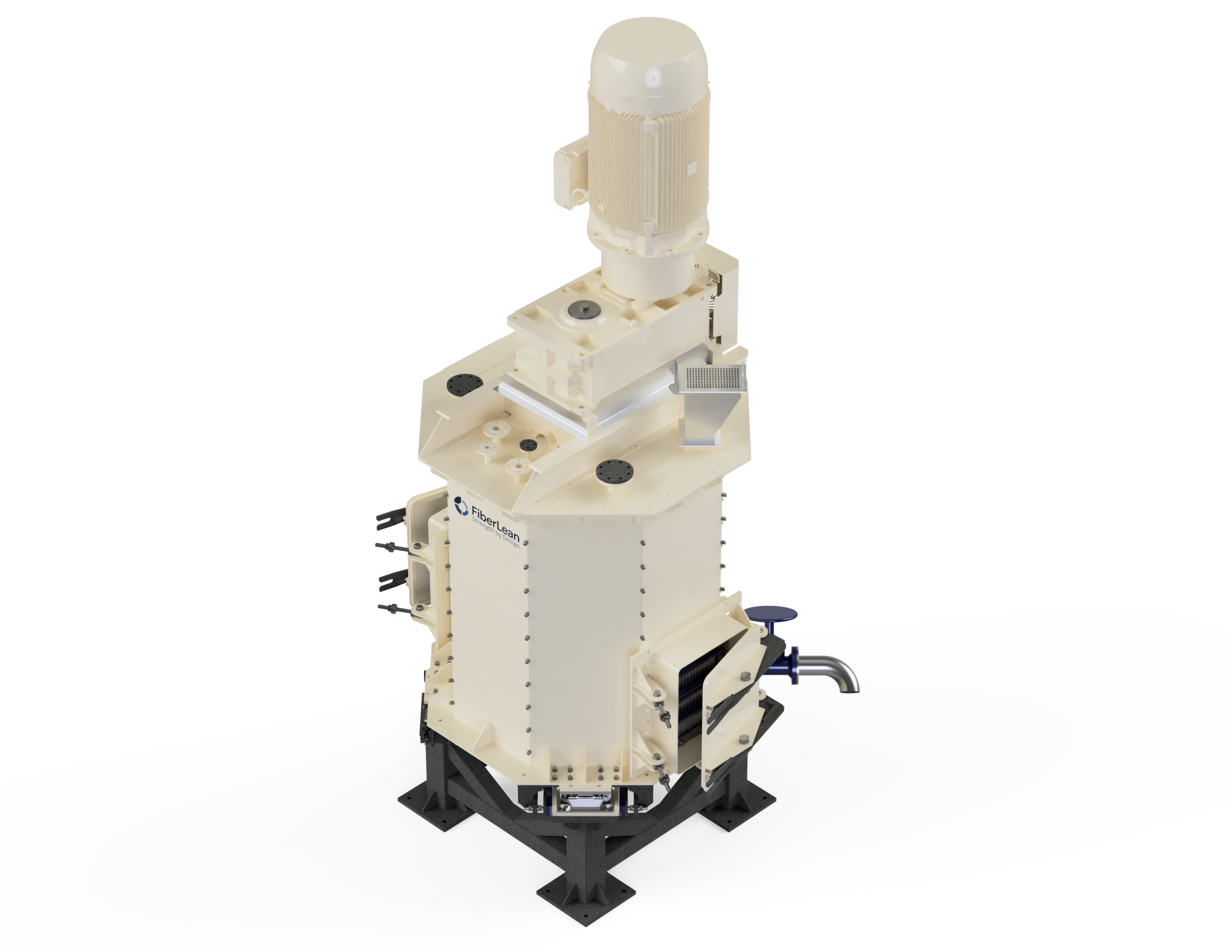
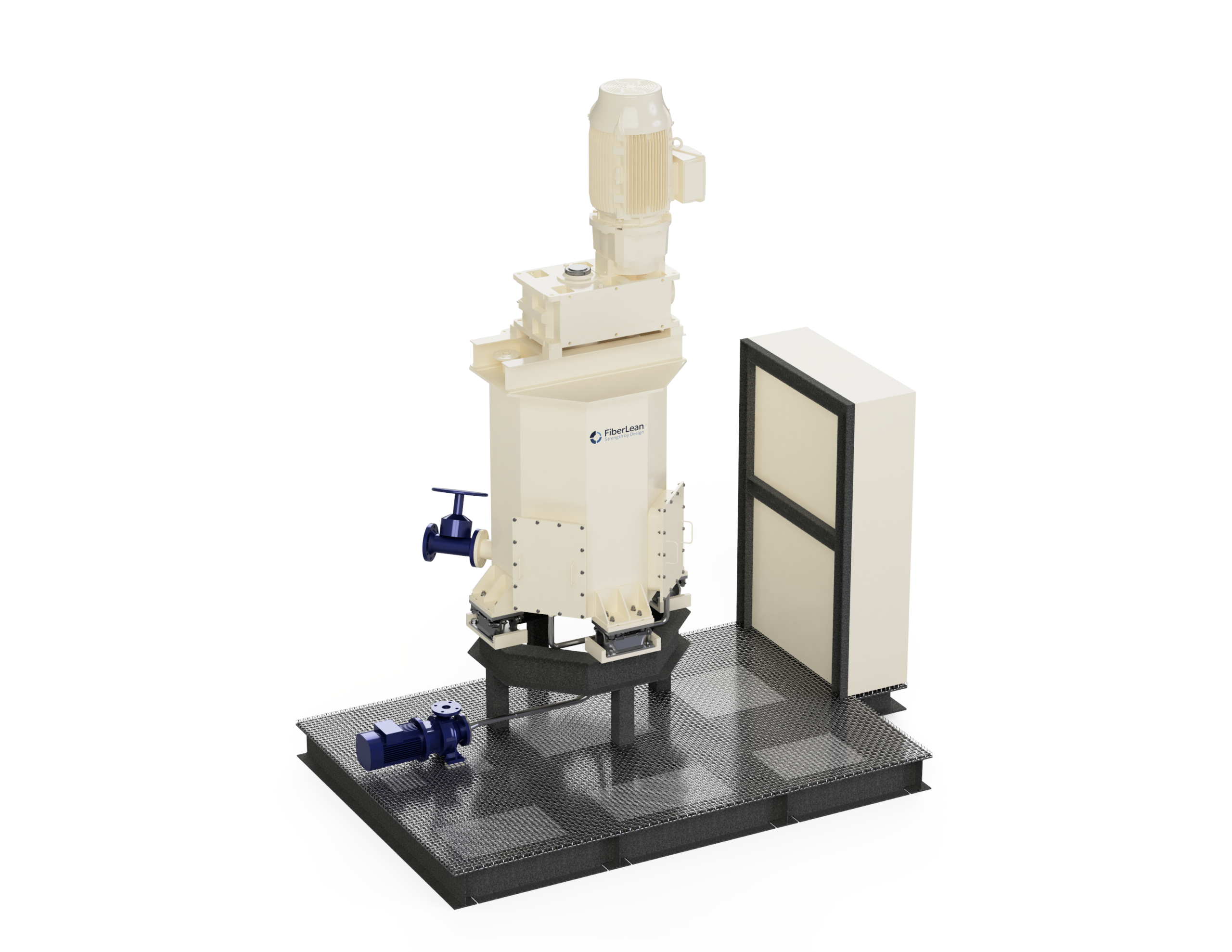
At its core, the process is mechanically simple. Cellulose fiber – from the mill’s existing fiber stream – is fed into a vertical wet stirred media mill, which fibrillates it to produce MFC. The process is continuous, the inputs are known, and the outputs are consistent. There is no chemistry involved beyond what the fiber already contains. No exotic reagents, no complex reaction management.
FiberLean’s grinders are specifically engineered for industrial operation. They are robust, designed for high throughput, and have been running in commercial paper and board mills across multiple applications and geographies. This is not pilot-scale technology waiting for commercial validation – it is proven equipment with an established operational record.
Integration into wet-end processes is well understood. FiberLean’s technical team has supported installations across graphic paper, white top liner, folding boxboard, tissue, and moulded fiber applications. The engineering knowledge of how MFC behaves in different mill environments and furnish compositions has been accumulated over years of real-world operation.
The equipment range is designed to match scale to application. The large G250 grinder at approximately 1,200 dry metric tonnes of MFC per year suits most paper and board applications. The medium G175 grinder at around 600 tonnes serves smaller mills and tissue applications. The small grinder G125 at approximately 100 tonnes opens MFC production to speciality applications and moulded fiber. Each is a right-sized proposition, not an over-engineered solution requiring infrastructure a mill doesn’t need.
FiberLean’s support extends from initial trials and equipment specification through installation, commissioning, and ongoing optimisation. Mills are not handed equipment and left to figure out the rest. The technical depth that FiberLean brings – the largest concentration of MFC specialists in the market – is available throughout the process, and beyond.
In-house MFC production requires planning, integration work, and operational discipline. So does every meaningful improvement to a production system. But complexity is not the same as complication – and the track record of FiberLean installations demonstrates that, properly supported, MFC production is a manageable and rewarding addition to a mill’s capabilities.
The question worth asking is not ‘is it complicated?’ It’s ‘what would it take to get it right?’ That’s a conversation FiberLean is well positioned to have and fully support you with answering.
To find out how FiberLean’s mechanical grinding equipment can help your mill, look at our case studies or get in touch with us today to discuss your project.