MFC as a Coating - Wet-end Application

MFC Grinder Case Study: MFC as a Coating – Wet-end Application

Improving Barrier Performance in Paper

Background

  • Varying levels of MFC applied to the surface of a 40 g/m² base paper at the wet-end of a paper machine
  • Machine speed: 420 m/min
  • MFC produced using FiberLean G250 grinder
  • 8 gsm MFC coated paper subsequently offline coated with starch coating

Trial Objectives

  • Evaluate the barrier performance of wet-end applied MFC coatings
  • Improve sheet closure and reduce porosity
  • Assess suitability for barrier packaging applications
  • Reduce downstream barrier coating requirements

Trial Results

MFC as a Coating - Wet-end Application
MFC as a Coating – Wet-end application
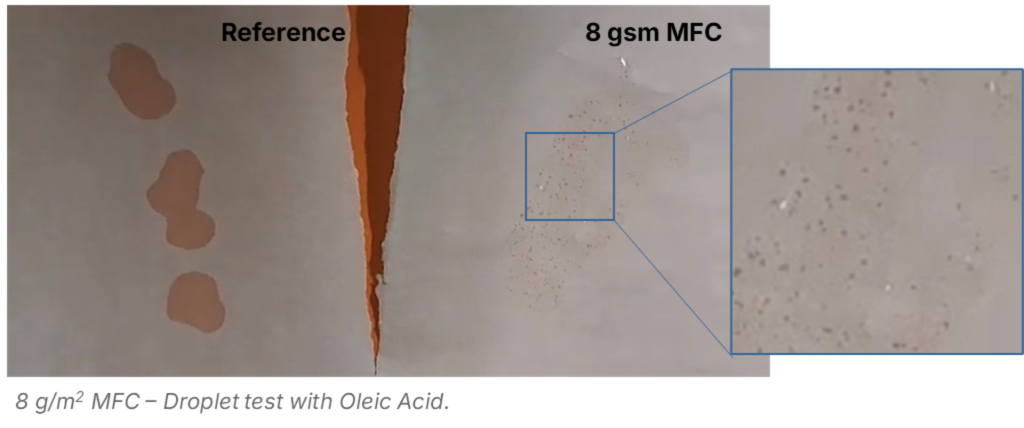
8g/m2 MFC Droplet test with oleic acid

Trial Outcomes

  • Significant reduction in sheet porosity through MFC application
  • Improved surface closure demonstrated in Gurley porosity testing
  • Reduced barrier coating demand in laboratory coating evaluations
  • Post trial addition of starch coating by customers enabled PFAS-free mid-level grease resistance suitable for fast food wrap applications
  • Demonstrated potential for fibre-based barrier packaging development

Business Impact

  • Reduced reliance on conventional barrier chemistries
  • Supports development of PFAS-free food packaging solutions
  • Potential reduction in coating material usage
  • Enables improved barrier functionality using fibre-based materials

Key Takeaway

Applying MFC at the wet-end significantly reduces sheet porosity and improves surface closure, reducing barrier coating requirements and enabling PFAS-free grease resistant packaging solutions.

MFC production equipment recommendation: G250 Grinder
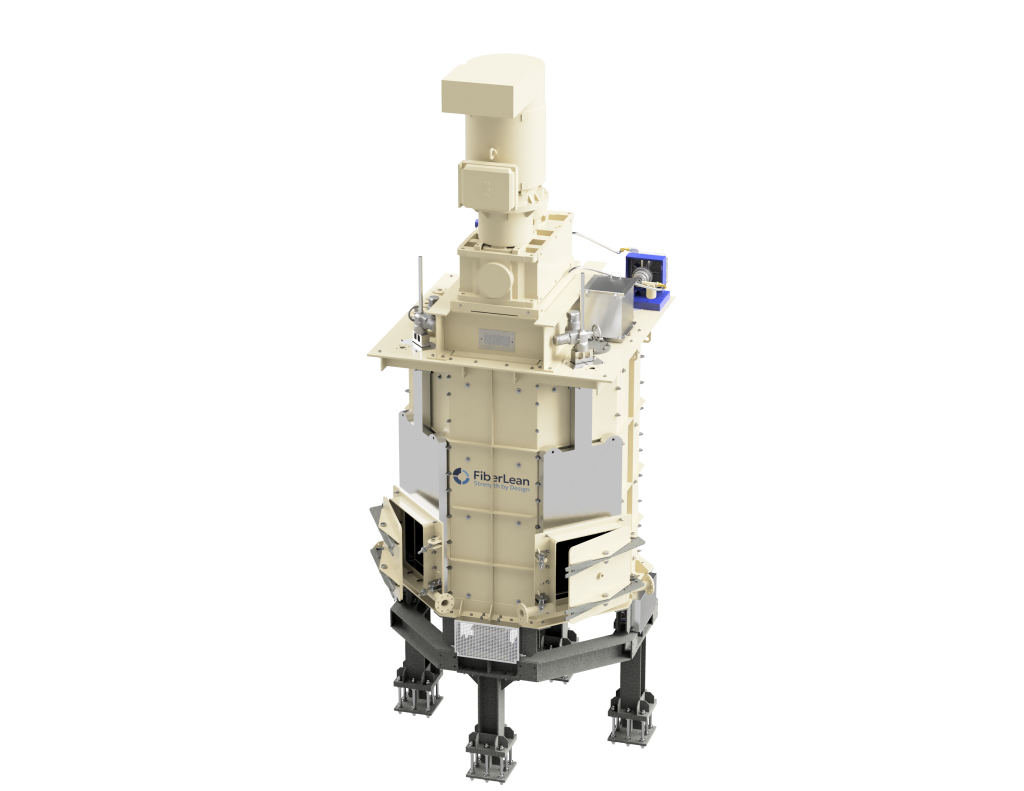
  • Grinder footprint: 2.6 x 2.6 m
  • Throughput 140 dry kg MFC/h
  • Suitable for all chemical and most recycled pulps
  • Food contact regulatory clearance